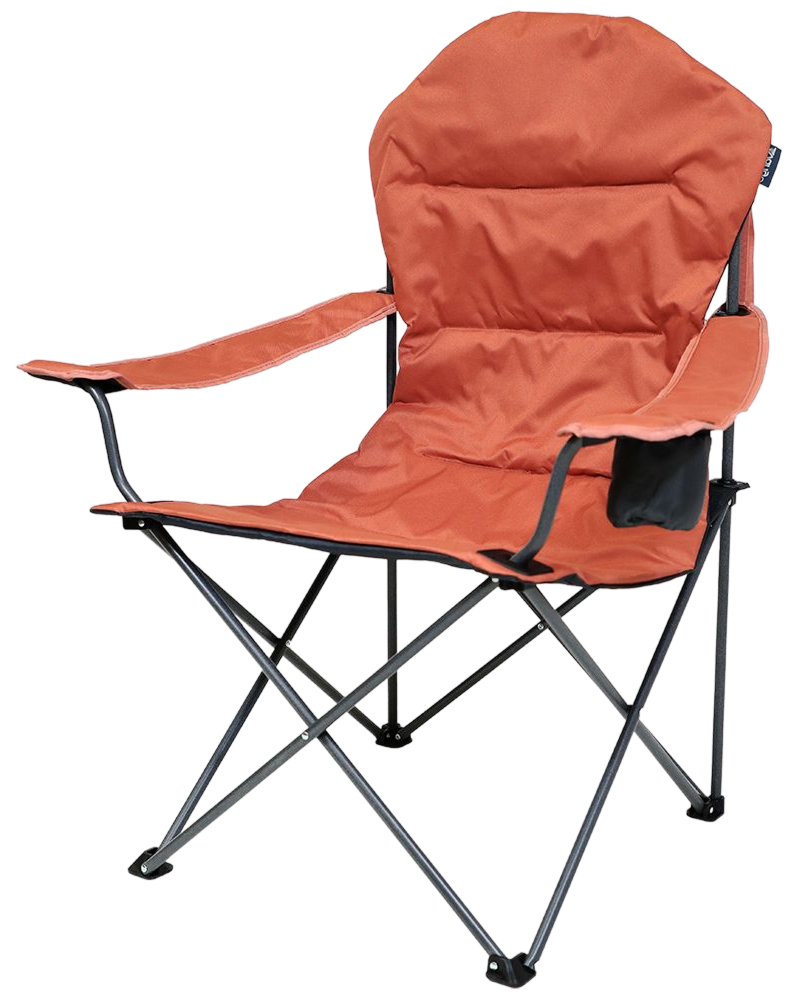
Camping Vs Caravanning
Few pastimes rival the joys of camping and caravanning when it comes to spending time outdoors.
Both offer a unique experience of reconnecting with nature, friends, and family and living a simpler way of life.
Whether you prefer pitching a tent, sleeping under canvas, or towing a caravan with a slice of heaven on wheels, the choice between camping and caravanning can shape your outdoor experience.
This blog looks at the pros and cons of Camping and Caravanning. Which one is right for you?
What is camping?
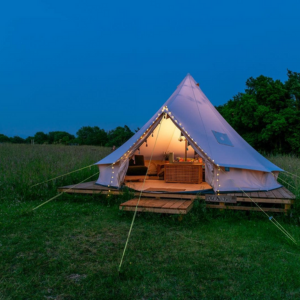
 Camping is an outdoor activity in which you stay overnight in a canvas tent out in the open, often in natural surroundings like forests, countryside's, or campsites.
While traditional camping is back-to-basics and a way to connect with nature, it's essential to consider safety measures, especially when camping in the wilderness, like being aware of potential wildlife encounters and having a first-aid kit.
Camping also allows relaxing and unwinding while enjoying activities like hiking, cooking, and stargazing.
In recent years, Glamping has risen in popularity. Glamping is short for ‘glamorous camping’ and is a luxury version of classic camping. It combines sleeping under canvas in the outdoors with luxury amenities. These may include a flushing toilet, real beds, electricity, and all those extra creature comforts you sacrifice when camping.
 Pros of Camping in a Tent
Here are four Pros of camping in a tent:
1. Embarking on an affordable adventure is one of the most budget-friendly ways to enjoy the great outdoors. Even if you upgrade your camping set-up to a table, chairs, and sleeping mats, you can still enjoy the pleasures of camping without breaking the bank.
2. Reconnect to nature—Camping brings you back into the heart of nature. Whether you're camping on the outskirts of town or in complete wilderness, you're never too far away from a great hiking trail, viewpoint, or area of outstanding natural beauty. Waking up to bird song every morning is a must when camping.
3. Unplug and Unwind—Camping in the great outdoors encourages you to sit back and relax. It's time to turn off those screens a3. nd breathe in the fresh air that surrounds you. You may also find you reconnect with family and friends, playing games in your fairy-light-lit tent or roasting marshmallows around the fire.
4. Builds practical skills—From pitching your tent to collecting wood for the campfire to washing up after a hearty camping meal, camping undoubtedly brings the whole family together and develops life skills you might not do on traditional holidays abroad.
Cons of Camping in a Tent
Here are four cons of camping in a tent:
 1. Bad weather—like heavy rain or strong winds—can make tent camping uncomfortable and even unsafe, as it can damage gear or create complex conditions. For those limited to camping during school holidays, this unpredictability can be a drawback, reducing the flexibility and enjoyment of the experience.
2. Limited comfort - Depending on what camping gear you purchase, camping on the ground will never offer a sound sleep like in your bed at home. Sleeping on the ground for an extended period can be tough on joints and not always be the most restful trip as planned.
3. It can be expensive—If you're new to camping and shopping for camping gear, it can be expensive. At the bare minimum, you will need a tent, sleeping mat or bed, sleeping bag, camping chair, and something to cook and eat with. Tents also come with footprints and carpets to protect them. Extra pegs, a mallet, and tent bags are all essential items that can increase your budget.
4. Security - Keeping your valuables safe while camping is challenging, as you can’t lock a tent like a caravan. As a general rule amongst the camping community, tents are not tampered with when left unattended, but it's always important to keep your valuable items on you or leave them at home.
What is caravanning?
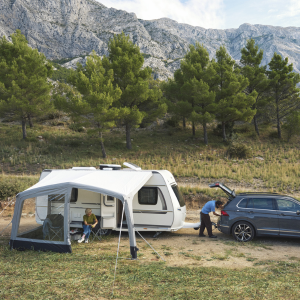 Caravanning is like travelling in a small home on wheels. You can tow a caravan with your car, or you may have a Motorhome. Caravanning allows you to explore different places while bringing your home comforts along.
Caravans come in all shapes and sizes. You may have a campervan, motorhome, or even an RV, which you can park at campsites or caravan parks and enjoy the outdoors in style and comfort.
Pros of Caravanning
Here are four Pros of caravanning:
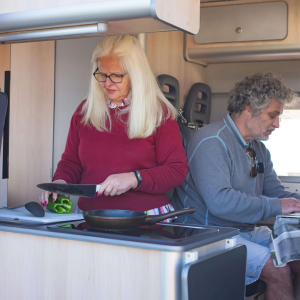 1. Owning a caravan allows for last-minute getaways without the need to book flights or accommodations ahead of time. Simply pack up the caravan, and you're ready for an adventure!
2. Pet-friendly—Holidaying in a caravan can offer more adventure for pet owners, allowing your furry companions to come on the holiday. Many caravan sites are pet-friendly, and some offer great dog parks, pubs, and activities for all the family, so no dog is left at home!
3. Choosing to holiday in a caravan over a tent will undoubtedly offer more comfort for travellers. Modern models are designed to provide comfort and convenience for families. Luxury amenities like air fryers, air conditioning, TVS, and memory foam mattresses make your journey feel like a home away from home.
4. Cost-effective accommodation—Despite the main cost of purchasing your caravan or motorhome, holidaying in the same vehicle every year is very cost-effective. Caravans are a cheaper alternative to a holiday home abroad. You don’t have flight costs, they are low maintenance, and they offer a minimalist lifestyle.
Cons of caravanning
Here are four cons of caravanning:
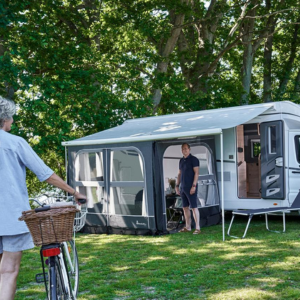 1. Limited space—Caravanning offers a compact living space, which can be a drawback to growing families. If you're a family of four or more, it may be difficult to store all your essentials in a caravan, and as families grow, so do their necessities. Caravanning is ideal for families looking for a more minimalist experience.
2. Hidden costs - Like with all vehicles you own, there are always hidden costs that may burden some. Vehicle repairs, insurance and potential upgrades all cost money and are essential when buying a caravan.
3. Legal restrictions—If you're planning an extended trip, consider the legal restrictions when living in a caravan full time. Finding and securing parking locations with large spaces can be a chore, especially for extended stays. Many councils have restrictions, so check the local area information for each trip.
4. Tow-vehicle requirements - If you're towing your caravan, you will need a car that can handle the weight and has the correct towing capabilities. It's important to practise towing prior to starting your journey, as it can be tricky in tight spaces.
A final note from us
This concludes our blog on camping vs. caravanning. Whichever option you choose, it's important to consider all the pros and cons before investing in the right gear. Camping offers a simpler holiday experience, whereas caravanning offers a premium set-up.
Check out our other blog posts on camping and caravanning, and follow our social channels to stay updated about Attwoolls Outdoors.