Condensation Vs Leaking: Do you Know the Difference?
There’s nothing worse than setting up camp to find a leaky seam or fabric hole.
But fear not, tent troubles are no match for your camping spirit! The good news is that most common issues are a breeze to fix when you know how.
In this blog, we will discuss how to determine if your tent has a leak or if it is simply due to condensation. And how to know the difference. Whether you're a campsite rookie or wilderness guru, troubleshooting your tent is a straightforward task that you can easily master!
One of the most common tent concerns we hear about in the camping superstore is water inside the tent. The key difference lies in how the water appears, which helps determine whether you have a leak or condensation.
Signs of Condensation
- Location - Can form on the inside of the walls, tent roof or at the pit of the air tubes
- Pattern - water appears in water droplets or a fine mist across the surface rather than a single point
- Weather - more common on chilly evenings, damp weather or if you have had wet/damp clothing or kit stored inside your tent
- Ventilation - If all your tents vents and zips are closed, condensation will build up quickly
Signs of a Leak
- Location - water usually seeps rom the seams, zips or a specific patch on the outer tent fabric
- Pattern - appears as a clear drip or damp patch
- Testing - Run your hand over the wet patch outside. If the outer fabric is soaked in the same area is likely a leak
Final thoughts
To conclude, if the water has a large surface area, it is likely due to condensation; if it's dripping from a single spot, it's likely a leak. You can test this by wiping the area, and if more water droplets appear across a wider area, it's likely condensation. If water continues in the same spot, it's likely a leak that needs attention.
How to fix Condensation
To prevent condensation inside your tent, we recommend keeping vents, mesh panels, and doors open to allow for good airflow. This simple step can make all the difference when it comes to reducing condensation in your tent, and now you're equipped with the knowledge to do so.
We recommend keeping a microfibre cloth in your tent or awning to wipe down the fabric on cooler and damp conditions when camping. You can also store damp clothes, boots, and cooking equipment in your porch or awning, and outside the sleeping areas, to reduce condensation build-up.
Pitch your tent with a groundsheet or footprint to help block moisture rising from the ground. You could also avoid cooking inside the tent walls. Boiling water creates steam and a warm environment that fosters condensation.
How to fix a Leak
If you discover a genuine leak in your tent, then don’t panic. The first thing you will need to do is to establish the source of the leak. Check the seams, zips and any areas where the fabric may be worn.
Our seam quick fixes when on the campsite:
- Purchase a seam sealer and use the supplied brush to apply to the leaking area. (sold in our camping superstore)
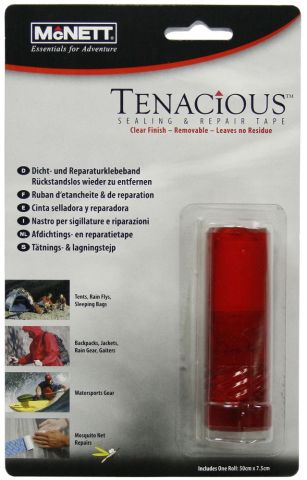
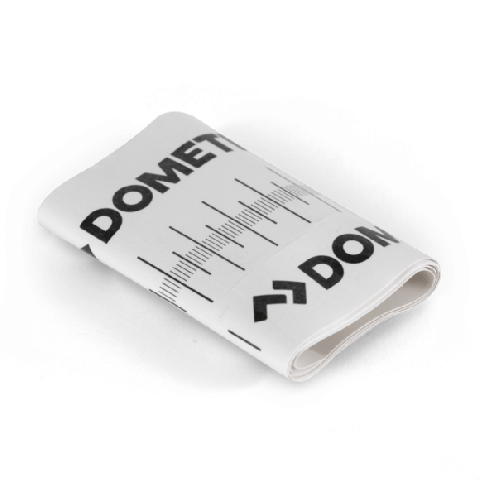
- Purchase a repair tape kit, like Tenacious tape and apply to the area, you can also use duct tape as a temporary fix. (sold in our camping superstore)
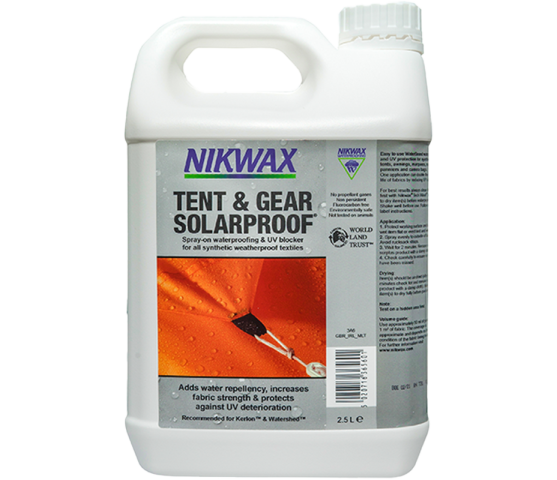
- If your flysheet has worn thin, re recommend reproofing the area to restore the water resistance. You should carry a repair kit with your when camping in case problems arise.
Attwoolls Aftersales Care
If the problem persists, please contact our Aftersales department with a photo showing the leak, a copy of your receipt, or your website order reference. We will advise on the next steps. Our after-sales team are also on hand to help with tent and awning issues. They can be contacted by email at aftersales@attwoolls.magento24.sozowebdesign.com. Remember, it's important to address a leak as soon as possible to prevent further damage to your tent and ensure a comfortable camping experience.
A final note from us
Differentiating between condensation and a leak can save you a lot of frustration when camping outdoors this year. Condensation is a natural part of camping and can usually be managed with our tips outlined above. A leak, however, is a relatively isolated problem and can be easily fixed. If the problem persists, please contact our after-sales team, and we will do our best to resolve the issue.