Electric Coolers Vs Passive Coolers: Which is best?
Electric coolers vs passive coolers — which keeps your food and drinks fresher for longer?
Whether you’re heading on a camping trip, beach day or long car journey, the type of cooler you choose matters.
We know every family camper needs a reliable solution that balances convenience, portability and performance. In this guide, we break down the pros and cons of electric cool boxes and passive coolers to help you decide which is best suited to your next outdoor adventure.
What is an Electric Cooler?
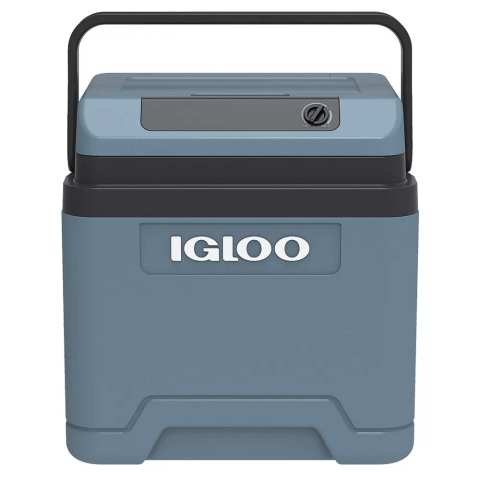
An electric cool box is a powered cooler that keeps your food and drinks cold using electricity instead of ice packs. It looks similar to a traditional passive cool box, but it must be plugged into a power source. Most models can connect to a 12V car socket or a 230V mains hook-up at a campsite or at home, while some offer both options for added flexibility.
Electric coolers are popular for longer trips where consistent cooling is essential and access to power is available, giving you peace of mind during extended outings.
2 Types of Electric Coolers
Thermoelectric Cool Box – This type uses a fan system to push heat out of the box while keeping cool air inside, typically cooling to around 15–20°C below outside temperature, making it suitable for mild to warm weather rather than extreme heat.
Compressor Cool Box – A compressor cool box works like a mini fridge and is not affected by outdoor temperatures. Much more powerful — and generally more expensive — compressor models can cool down to 0°C or even freeze, making them perfect for extended camping trips, caravanning and motorhome holidays.
Cons of Electric Coolers
When choosing an electric cool box, it’s important to consider power consumption. Many models, such as those running on 12V or 230V mains, can drain a car battery if left plugged in for long periods without the engine running.
For this reason, many campers choose to pair their cooler with a portable power station to support higher-powered electrics and avoid battery issues. Electric coolers can also be heavier than passive options and may produce a low level of fan noise depending on the model.
Recommended Electric Cool Boxes

What is a Passive Cooler?
A passive cooler does not use electricity. Instead, it keeps food and drinks cold through insulation combined with ice packs, making it a simple, affordable, and highly portable option for quick outings.
For best performance, always add pre-chilled food and drinks before sealing the lid. Using multiple ice packs or frozen water bottles can significantly extend the time your items stay cold.
2 Types of Passive Coolers
Passive Cool Box – A hard-shell cool box is rigid, strong and durable, making it great for camping, fishing, festivals and day trips. Depending on insulation quality and ice usage, a passive cool box can keep contents cold for 1–3 days, roughly.
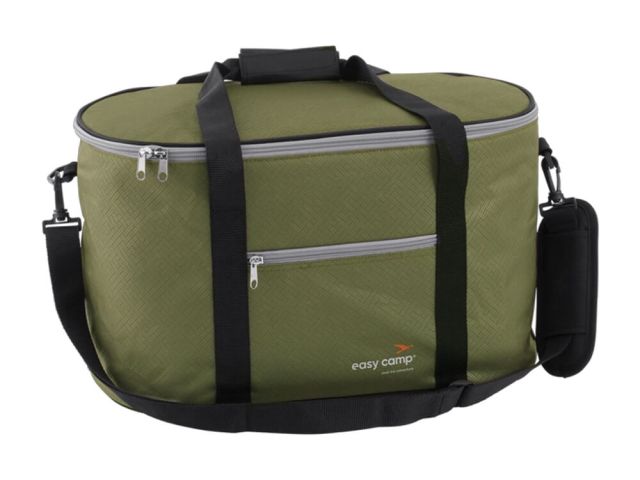
Passive Cool Bag – A soft cool bag has flexible walls, is lightweight and often foldable. This makes it ideal for school trips, picnics, car journeys or packed lunches. Cool bags usually stay cold for only a few hours and are best suited to short-term use rather than overnight storage.
Cons of Passive Coolers
While passive cool boxes and cool bags are convenient, they won’t keep food and drinks cold for as long as an electric cooler. Ice packs eventually melt, which can leave items damp if not sealed properly.
Passive coolers also struggle in direct sunlight and quickly lose temperature when opened frequently, making them best suited for day trips, picnics, short outings, or overnight camping with access to fresh ice.
Recommended Passive Coolers
- Easy Camp Arctic Daisy Cool Bag Large
- Coleman Xtreme 52 Quarts Wheeled Cool Box
- Vango Glacier 47L Cool Box
So which is best?
If you’ve made it this far, you’ll know there isn’t one single “best” option when comparing electric coolers vs passive coolers — it all depends on how you plan to use it, so that you can feel confident in your choice based on your needs.
Electric cool boxes are perfect for camping holidays, long travel days, caravans and motorhomes. They provide reliable fridge-style performance, work well in hot weather and can keep food and drinks cold for several days with the right power supply.
Passive coolers, on the other hand, are lightweight, affordable and easy to carry. If you’re looking for quick, simple cooling without electricity, they are an excellent choice. Pack a cool bag or cool box for festivals, school trips, beach days, and picnics, where ice packs will comfortably keep things cool for a few hours.
📹 Watch Mikes latest TikTok on Cool Boxes and Bags here
A final note from us
That completes our guide comparing electric coolers and passive coolers. We hope this blog has helped you decide which cool box or cool bag best suits your camping style.
You can browse the full range of cool boxes and cool bags online or visit our camping superstore to view them in person. For more outdoor tips, product guides and camping advice, explore our CampLife blogs or follow our social channels.