Troubleshooting Guide: 3 Tent Troubles and How to Solve Them
Even the best tents can run into problems once you’re in the great outdoors.
From unexpected leaks to broken poles, these issues can turn a fun camping trip into a test of your patience.
In this blog, we will run through 3 Tent troubles and how you can solve them.
1 - Broken or bent Tent Poles
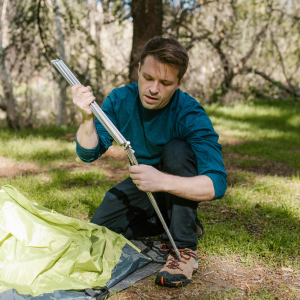
Pexels image by RDNE
Camping in strong winds or bad weather is never ideal, as it can cause tent poles to bend or snap—especially in pole tents. However, a broken pole doesn’t have to mean the end of your trip.
Always carry a tent repair kit when you head out. Duct tape or a tent pole repair sleeve can be lifesavers for quick on-the-spot fixes. If a pole splinters, tape the pieces together before sliding them into the repair sleeve to reinforce the break.
Anything long and sturdy can act as a tent pole, a trekking pole or even sticks can act as temporary fixes!
Once you’re back from your trip, visit our superstore to purchase replacement poles. We stock generic pole sizes in packs; please ensure you know the diameter you need before visiting.
See Mike's Video with more details here
2 - Difficulty Pitching your Tent
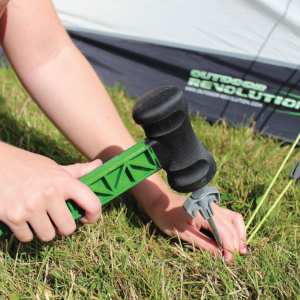 One of the most frequently asked questions we receive is how to pitch a tent properly. Common issues include sagging fabric, underinflated air beams, and improperly tensioned guy lines. All of these can result in your tent not performing as it should. Taking the time to set up your tent properly ensures better stability, weather resistance, and overall comfort during your trip.
If your tent isn’t staying upright, chances are it hasn’t been pitched correctly. One of the first things to check is the wind direction, your tent should be pitched with the entrance facing the same direction as the wind to reduce drag and improve stability.
Ensure that all pegging points are used, and always select the most level ground available. Uneven terrain can lead to instability and poor fabric tension.
Throughout your camping holiday, it’s important to regularly re-adjust the guy lines. These aren’t just for keeping your tent grounded, they help distribute tension evenly across the fabric, poles, and air beams. Properly tensioned guy lines improve your tent’s shape and make it more resilient in challenging weather conditions.
Depending on what tent brand you have, you may also want to purchase additional storm straps. Mike recommends the Outdoor Revolution Endurance storm straps, which provide extra stability in poor weather conditions. (Please note that not every tent brand offers storm straps, and they are not universal, but you may find somewhere to tie them onto your existing tent.)
Visit our YouTube Channel to check out all of Mike's pitching videos here
3 - Leaking vs Condensation
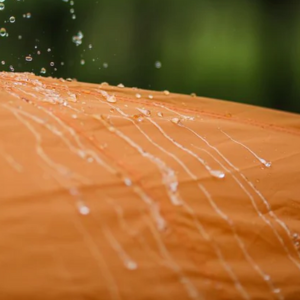 Another frequent question is whether moisture inside the tent is due to a leak or condensation, especially during the cooler months leading into summer. At first glance, they may appear very similar, but understanding the difference is crucial.
Condensation occurs when warm air comes into contact with cooler surfaces, especially in areas with poor ventilation. Leaks, on the other hand, are caused by damage or improperly sealed seams. The key difference is how it appears in the tent.
Signs of Condensation
- Location - usually forms on the inside of the walls, tent roof and at the bottom of airbeams
- Pattern - water appears in water droplets or a fine mist across the surface rather than a single point
- Weather - more common on chilly evenings, damp weather or if your have had wet and damp clothing or gear inside the tent overnight
- Ventilation - If all your vents and zips are closed, condensation will build up quickly.
If the water appears across the wider area then this is condensation, You can test this by wiping the fabric to see whether the water droplets appear.
Signs of a Leak
- Location - water usually seeps in from the the seams, zips or a specific patch on the outer tent fabric
- Pattern - appears as a clear drip or damp patch
- Testing - Run your hand over the wet patch on the outside. If the outer fabric is soaked through in the same spot, it's likely a leak.
If water is appearing in one area and continually dripping, then this is a leak which needs attention.
How to fix Condensation
Condensation will appear for several reasons, typically after a cold morning or if the air has been damp overnight. Your breath on a cold morning or keeping damp clothing or kit in your tent will also produce condensation on the tent fabric.
- Open all vents or doors slightly to improve airflow
- Avoid cooking inside the tent
- Use a footprint or groundsheet to reduce moisture rising from the ground
- Re-seal seams or apply a waterproof spray
How to fix a Leak
If your tent has a genuine leak as outlined above and you purchased it from us, please contact our after-sales team with a photo of the receipt, the leak, and a brief description of your issue. You can contact us on aftersales@attwoolls.magento24.sozowebdesign.com or call our superstore for advice 01452 742233
A final note from us
Tent troubles happen, but with the right know-how, you can fix them and get back to enjoying your camping holiday. For all the latest top tips and advice, follow our social channels linked below.