What are Walking Poles and Do I need Them?
Whether you’re hitting rugged mountain terrain or taking a stroll around your local park, walking poles are designed to transform the way you move.
More than just a pair of sticks, walking poles offer balance, reduce strain on your joints, and provide additional comfort for hikers who need support. In this blog, we explore the various types of walking poles, their benefits, and whether they're truly necessary.
What are Walking Poles?
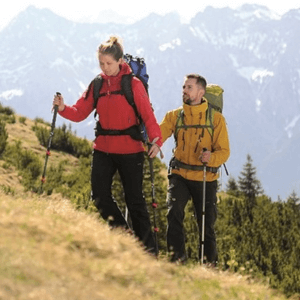 Just as the title suggests, walking poles are sticks that aid you in walking. They touch the ground as you move, helping you balance on uneven and tricky terrain. They offer support to reduce the effort required, allowing you to go further on your adventure.
Features of Walking Poles
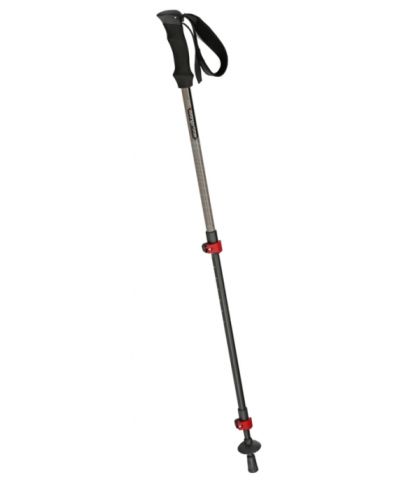
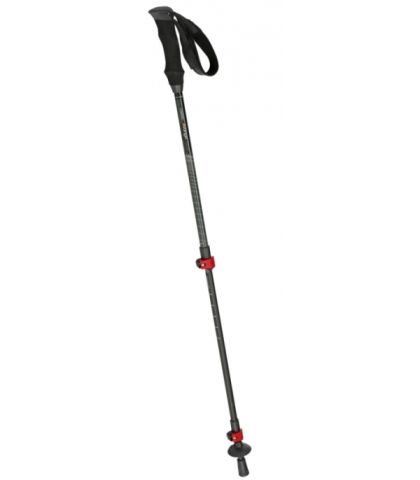
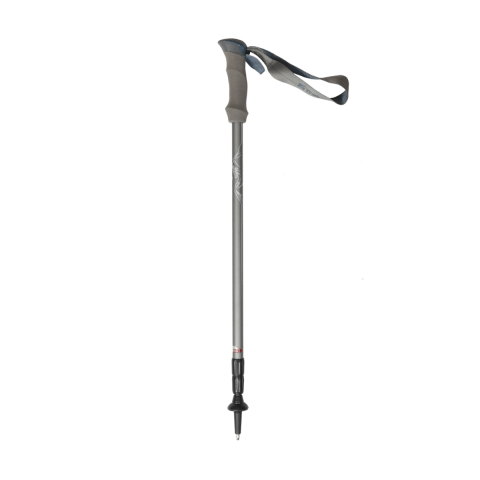
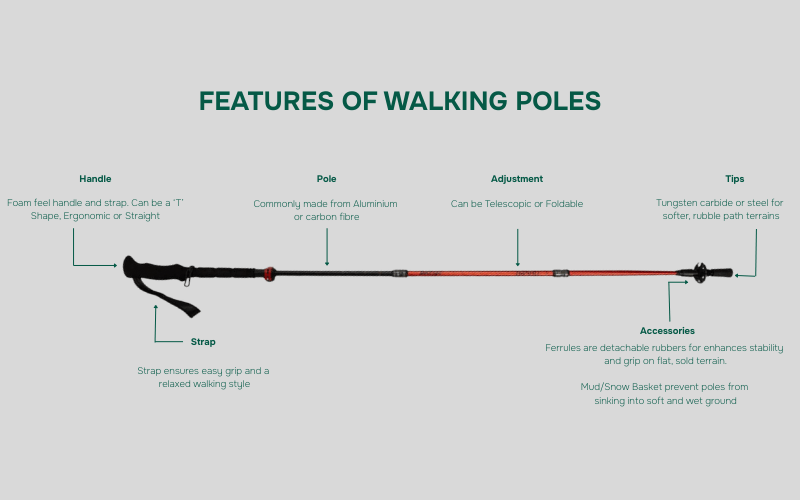
Walking poles are generally made from aluminium or carbon fibre with a comfortable foam-feel handle and strap. They are strong enough to support your weight on a walk, yet lightweight enough for the user to ease movement.
At the end of the walking pole, there will be either a tungsten, carbide, or steel tip, depending on the terrain you are using it on. There will also be a detachable ferrule, which can enhance stability and grip on flat and solid types of ground. In mud and snow, a basket is added to prevent the pole from sinking.
Please see the diagram below, which highlights the key features of a walking pole.
Benefits of Walking Poles
There are many benefits to using walking poles on your walks. Here are just some of them.
1 - Improved Posture
Using walking poles helps maintain an upright posture, which is especially beneficial for senior walkers or anyone with balance issues. Using poles prompts the user to stand more upright, opening the chest and aligning the spine. Instead of leaning forward while walking uphill or carrying a backpack, poles encourage a better, more supported posture.
2 - Improved Balance
Using walking poles takes pressure off your knees, hips, and ankles by redistributing weight through your arms, making balance easier on uneven ground. Another way poles support your balance is by providing four-point contact. If you were to fall, you have two extra stabilisers to rely on, making it particularly easier when descending hills and navigating rocky ground underfoot.
3 - Walking Safety
Not only do walking poles help with stabilisation, but they can also prevent stumbling and potential falls on uneven ground. Poles can be used to test the stability of terrain in snow, shallow water, or even deeper water. They help spot hidden holes, ice patches, and loose rocks before they become an emergency.
4 - Accessibility Benefits
One of the significant benefits of choosing to walk with poles is that it makes walking accessible for all. If you have arthritis or joint pain, they can make walking more comfortable and reduce strain on hips, knees, and ankles. The confidence built from using walking poles often leads to more regular walking, which in turn improves overall health and independence.
Do I Need Walking Poles?
 Walking poles aren’t just for hardcore hikers; they provide extra support to anyone who needs it. If you want to tackle bigger hills and rockier paths, hiking with walking poles can give you more confidence, safety, and comfort.
If you prefer a more minimalist walking style, then purchasing walking poles may not be for you. Similarly, if you walk without joint, balance, or health issues on flat, smooth paths, you may not need them.
VIEW OUR RANGE OF WALKING POLES
A final note from us
So that completes our blog on walking poles. We hope you have found this helpful. For more tips and advice on walking and hiking gear, make sure you're following our social channels linked below.
Discover the biggest camping range at our superstore in Whitminster. We stock a huge range of walking and hiking products, including boots, socks, walking poles, performance clothing, and more.
Header Image from Pexels by Yaroslav Shuraev