What is PSI, and how does this affect Air Tents, Air Awnings and Inflatable Accessories
Air tents, air awnings and inflatable camping accessories have revolutionised camping
This makes set-up quicker and easier than ever before. Knowing that the PSI of your equipment can significantly impact its safety and lifespan helps you feel more confident in your gear's performance.
In this guide, we explain what PSI means, how it affects air tents, air awnings and inflatable accessories, and everything you need to know to keep your camping gear strong, stable and safe to use.
What is PSI?
PSI is a common term used on campsites and simply stands for “pounds per square inch”. It is a unit of pressure used to measure the amount of air pumped into an inflatable product.
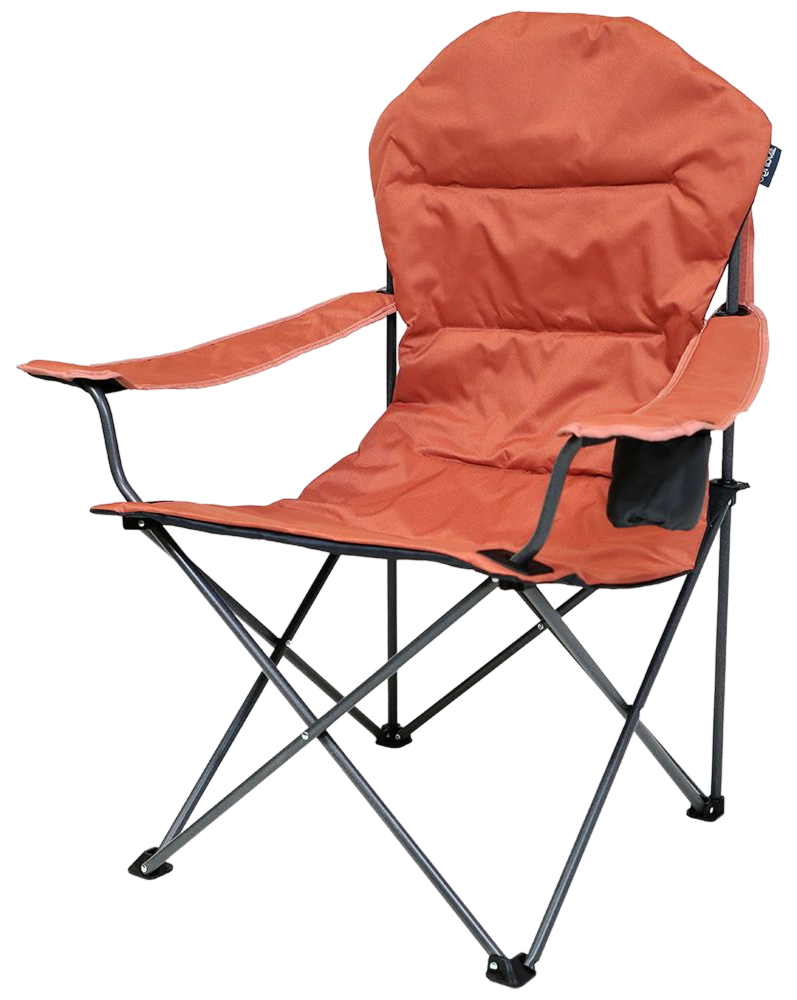
The term is widely used in the automotive industry when inflating car tyres. Still, in camping, PSI is especially important when inflating tents, awnings, and inflatable accessories such as air beds, camping chairs, sofas, and beach lilos.
How to find the correct PSI
Measuring the air pressure inside your inflatable camping products is essential for ensuring the correct firmness, stability and long-term durability. When purchasing a new air tent, air awning or inflatable camping accessory, manufacturers will clearly state the recommended PSI in the product user manual.
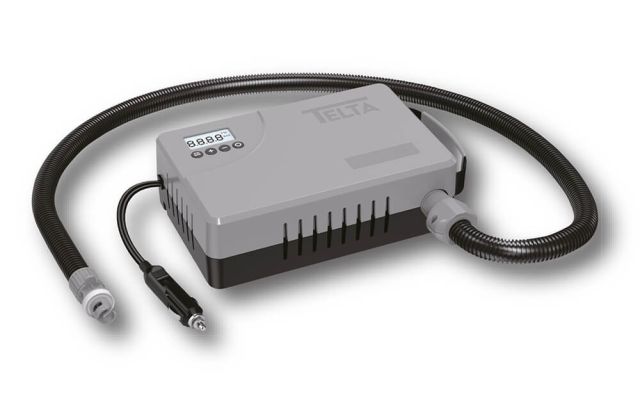
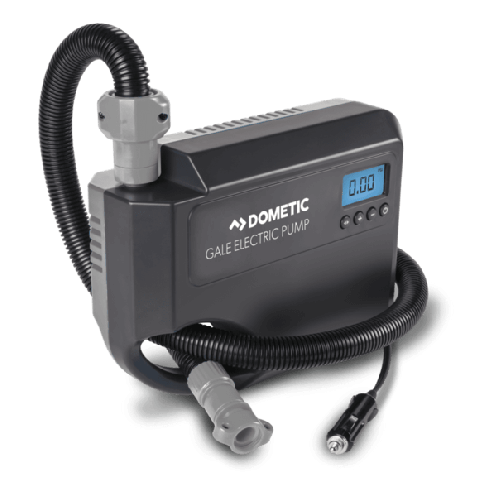
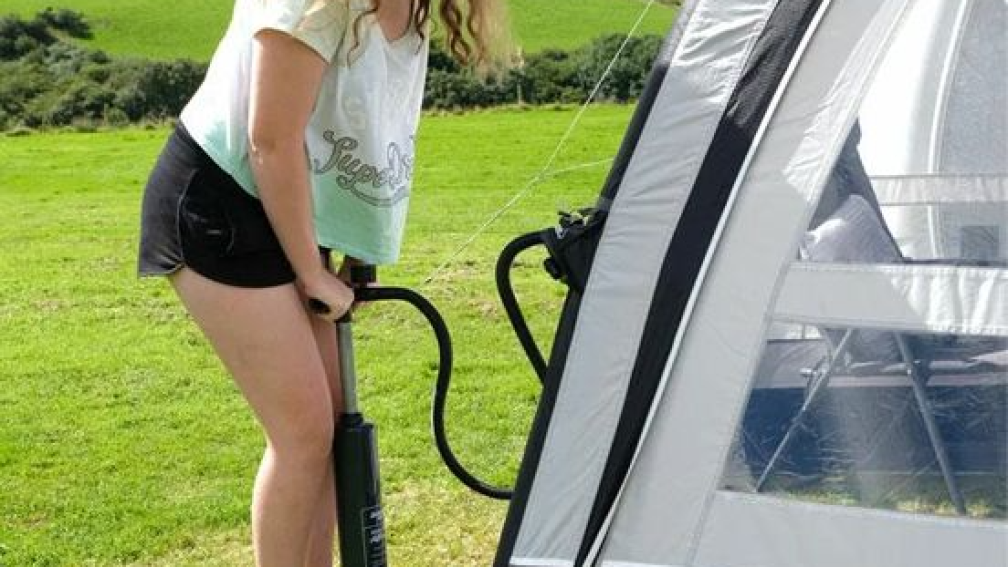
Most inflatable camping products come with a manual pump and a pressure gauge. This allows you to check the PSI as you inflate, although the reading is usually only visible while you are actively pumping. Electric pumps often feature a digital display, allowing you to pre-set the required PSI so the pump automatically stops once the correct pressure is reached.
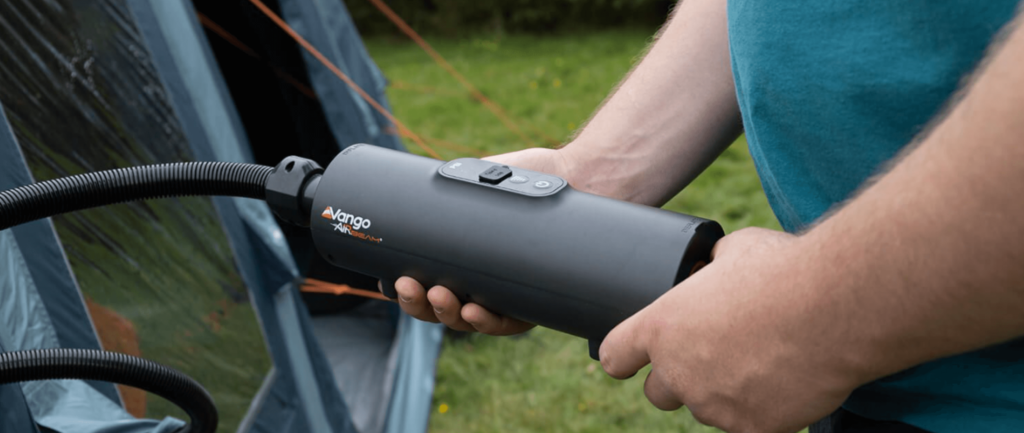
Recommended PSI
Below is a general guide to recommended PSI levels. Always check your specific product’s user manual to confirm the correct pressure.
Air Tents - between 5-7 PSI
Air Awnings - between 7-9 PSI
Air Accessories like beds, chairs, beach accessories - between 0.5 - 3 PSI
Tips for Safe Inflation
To ensure safe and reliable inflation of your air tent, air awning or inflatable accessories, follow these simple tips:
- Use the pump supplied by the manufacturer of your purchased product
- Check the manufacturer's guidelines highlighted in the user manual
- Always start slow until it reaches the recommended psi
- Monitor temperature effects, see more guidance on this below
How the temperature affects my air Tent, Awning or Camping Accessory PSI
When camping, especially during summer, outdoor temperatures can significantly affect the air pressure inside your air tent or awning. As the air inside the air beams warms up, it expands, increasing the internal PSI. If the pressure becomes too high, this can place unnecessary strain on the air beams and potentially cause damage.
The opposite happens in colder conditions. As temperatures drop, the air inside the beams contracts, reducing internal pressure. You may wake up to a slightly sagging air tent or awning, which simply means it needs topping up to return it to the correct PSI.
As a general rule, for every 10°C increase in temperature, the internal air pressure can rise by approximately 10%. Likewise, for every 10°C drop in temperature, the internal pressure can decrease by around 10%.
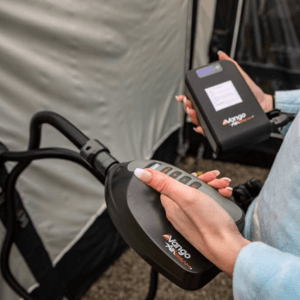 Most air tents and air awnings are designed to withstand pressures well above their recommended PSI. For example, a tent with a recommended pressure of 7 PSI may have been tested up to 15 PSI. However, it’s important to remember that the temperature inside the air beam sleeve or bladder can be higher than both the ambient outdoor temperature and the air temperature inside the tent or awning.
This means a 10°C increase in outside temperature could result in a 20°C increase inside the air beam, especially if the tent or awning is in direct sunlight. For this reason, regularly checking and adjusting PSI is essential during warm weather.
A final note from us
That completes our guide to PSI and how it affects air tents, air awnings and inflatable camping accessories. We hope you’ve found this information helpful and now understand how maintaining the correct PSI helps ensure safe, comfortable and long-lasting camping equipment.
Whether you’re heading away for a weekend break or a longer camping holiday, always keep an eye on your PSI and adjust it as needed. Follow our social channels to stay up to date with all things Attwoolls Outdoors.